The Full Moon is the most recognised phase of the lunar cycle, but most people don't know how to actually work with its energy. Here's everything you need to know.
What Is a Full Moon? (The Science)
A Full Moon occurs when the Earth sits directly between the Sun and the Moon, and the side of the Moon facing us is fully illuminated. This happens approximately every 29.5 days which is the length of one complete lunar cycle.
At a Full Moon, the Moon rises around sunset and sets around sunrise, meaning it's visible for the entire night. It also sits at its brightest, which is why Full Moons have been used for thousands of years as a natural light source, a navigation tool, and a marker of time.
The gravitational pull of the Moon is also at its strongest during a Full Moon, contributing to the highest tidal fluctuations of the month, known as spring tides. If the Moon can move entire oceans, it's worth considering what it might be doing to the water in our bodies (we're approximately 60% water, after all).
The Energy of the Full Moon
If the New Moon is a seed being planted in dark soil, the Full Moon is that seed in full bloom.
This is the peak of the lunar cycle, the moment of maximum light, maximum energy, and maximum visibility. What you set in motion at the New Moon two weeks ago is now fully illuminated. That can feel exhilarating, or it can feel confronting, depending on what's been growing beneath the surface.
Full Moon energy tends to bring things to a head. Emotions run higher. Realisations arrive. What has been quietly building (in your relationships, your work, your body, your inner world) tends to break the surface and ask to be seen.
This is not something to brace against. It's something to work with.
How the Full Moon Shows Up in Your Body and Energy
You may notice the Full Moon affecting you before you even check the calendar. Common signs include:
Disrupted sleep: the Moon's brightness and energetic peak can make it harder to wind down
Heightened emotions: feelings that have been simmering tend to rise to the surface
Increased energy or restlessness: some people feel a surge; others feel overwhelmed by it
Vivid dreams: the Full Moon is associated with more intense dream activity
Physical sensitivity: headaches, joint awareness, or general body awareness can increase
Clarity or sudden insight: the "full light" quality often brings realisations and aha moments
None of these are things to fix. They're information. The Full Moon is asking you to pay attention.
Full Moon Self-Care: How to Work With This Energy
1. Create Space for Release
The Full Moon is the natural completion point of the lunar cycle and the energetic invitation is to let go of what is no longer serving you. This might be a belief, a habit, a relationship dynamic, a commitment you've outgrown, or simply an emotion you've been carrying.
A simple release practice: write down what you're ready to let go of. Be honest. Then either burn the paper (safely), tear it up, or simply close your journal and consciously choose to release it.
2. Slow Down Instead of Ramping Up
Because Full Moon energy is high, many people instinctively try to do more during this phase, matching the energy with action. But this is often where burnout quietly accumulates.
The Full Moon invites completion, not initiation. Wrap up what's in progress. Avoid starting new projects. Let the cycle reach its natural peak without forcing more onto the pile.
3. Prioritise Sleep
This is genuinely one of the most practical things you can do at Full Moon. Sleep disturbance is common during this phase. Support your sleep by:
Blocking out moonlight with an eye mask or blackout curtains
Avoiding screens for an hour before bed
Keeping your evening wind-down ritual consistent
Getting outside briefly before bed to look at the Moon can actually help regulate your system
4. Move Your Body (Gently)
Full Moon energy benefits from movement but not necessarily intense exercise. A slow walk in the evening, gentle yoga, or time near the ocean or a body of water can help you process and integrate the heightened energy without depleting yourself.
5. Honour What Has Been Illuminated
Take a moment to acknowledge where you are in your cycle. What intentions did you set at the New Moon? What has come to fruition? What surprised you? The Full Moon is a natural check-in point and not for judgment, but for awareness.
Journal prompts for the Full Moon:
What feels complete in my life right now?
What am I being called to release?
What has this lunar cycle revealed to me?
Where have I been holding on, and what would it feel like to let go?
The Full Moon and Your Self-Care Pillars
The Full Moon touches all eight lunar self-care pillars, but it speaks most directly to:
Rest and Relaxation: Sleep and stillness become a practice, not a luxury.
Emotional Wellbeing: Heightened emotions aren't a problem to be managed; they're wisdom to be received.
Spiritual Practice: The Full Moon is one of the most potent times in the cycle for ritual, reflection, and connection to something larger than your daily to-do list.
Joyful Movement: Gentle movement at full moon helps integrate and ground the heightened energy in the body.
A Note on Full Moon Names
Each Full Moon of the year has a traditional name, rooted in Indigenous, agricultural, and cultural wisdom from around the world. These names reflect what is happening in nature at that time of year and they're a beautiful reminder that humans have been watching and working with the Moon for as long as we've been here.
Some of the most well-known Full Moon names include:
January — Wolf Moon
March — Worm Moon
April — Pink Moon
June — Strawberry Moon
July — Buck Moon
September — Harvest Moon
October — Hunter's Moon
December — Cold Moon
Each named moon carries its own seasonal energy layered on top of the Full Moon's universal themes of illumination and release.
The Full Moon Is Not Something That Happens to You
The most important shift in working with the Full Moon is moving from a passive relationship to an active one. The Full Moon doesn't happen to you, it happens with you, if you're paying attention.
When you begin to notice the patterns, and when you realise that the same week every month you feel more emotional, or more tired, or more creatively alive, you stop being confused by your own experience. You start to understand it.
That understanding is the beginning of lunar living.
Want to go deeper? Read my personal essay on the Full Moon and what it actually felt like to slow down and listen during the most illuminated night of the cycle, over on my Substack, The Moon Made Me Do It.
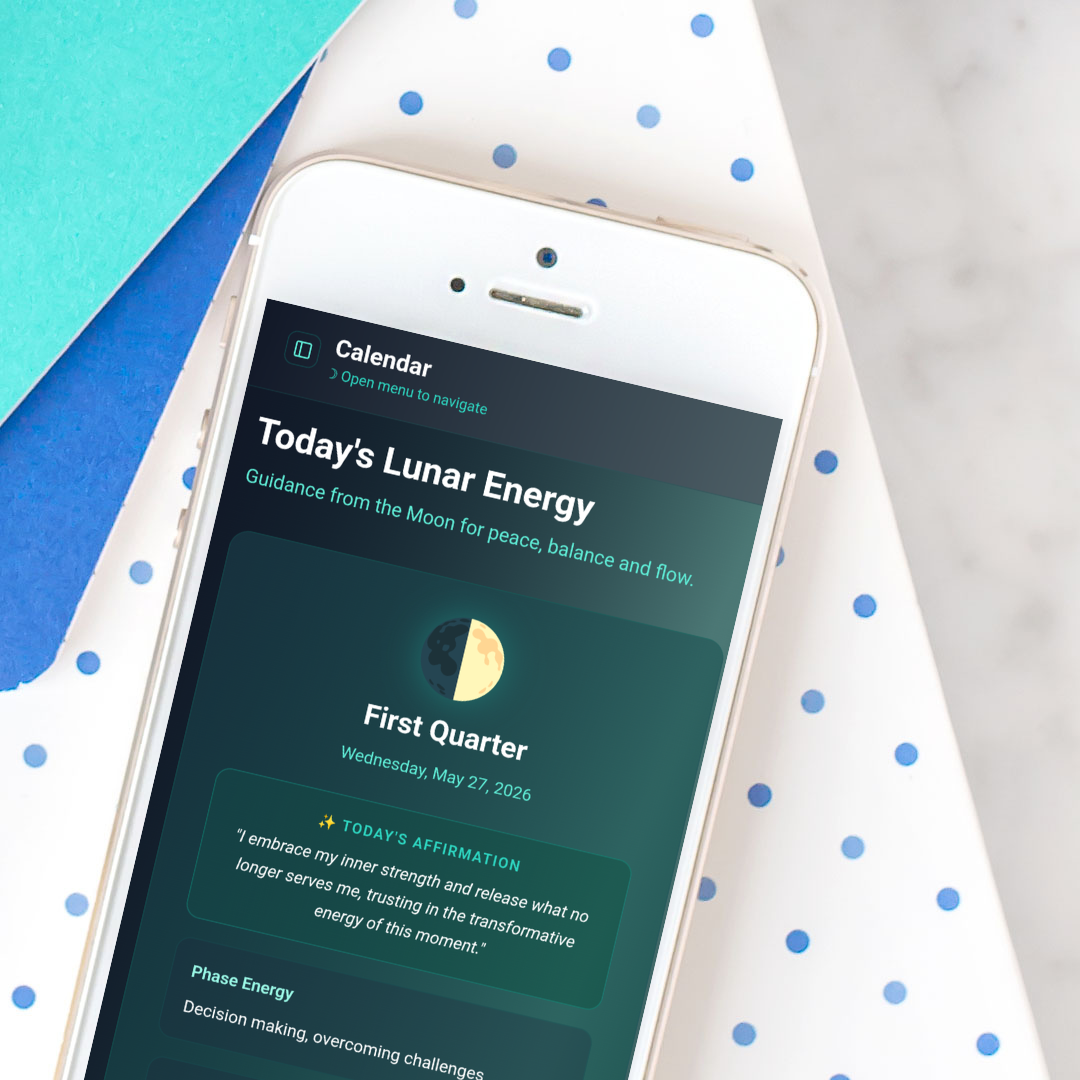
Looking for a practical tool to track your energy across the lunar cycle? Try By the Moon, my free app designed to help you live in rhythm with the Moon, one phase at a time.